Lackprobenanalyse
Fortschrittliche analytische Dienstleistungen für Lack- & Beschichtungsuntersuchungen.
Professionelle Lackanalyse-Dienstleistungen
Wir führen detaillierte Analysen von Beschichtungsproben mit modernsten chemischen und optischen Methoden durch. Unsere vergleichenden Analysemöglichkeiten ermöglichen eine präzise Identifizierung, Zuordnung und forensische Bewertung von Beschichtungsmaterialien für rechtliche und technische Anwendungen.
Mit unserem Partnerlabor bieten wir fortschrittliche Analysetechniken und wettbewerbsfähige Preise für umfassende Beschichtungscharakterisierung, von der Oberflächenmorphologie bis zur molekularen Zusammensetzung. Ob für forensische Untersuchungen, Qualitätskontrolle oder Materialidentifizierung – wir liefern wissenschaftlich fundierte Ergebnisse mit detaillierter Dokumentation.
Unsere Analysemethoden
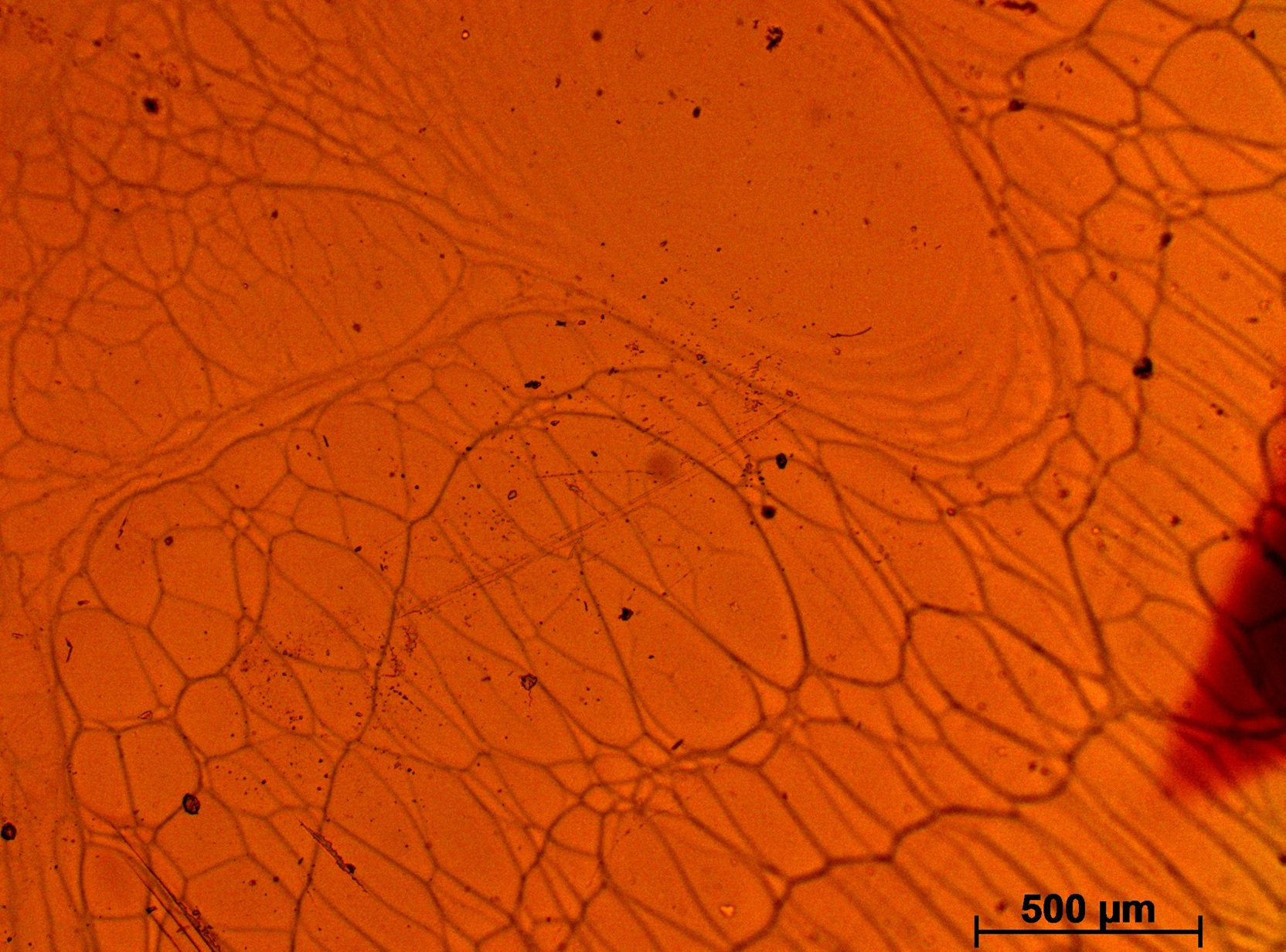
Lichtmikroskopie
Hochauflösende optische Mikroskopie zur Oberflächencharakterisierung und Schichtstrukturanalyse. Wir untersuchen Beschichtungsdicke, Schichtfolgen, Defekte und Oberflächenmorphologie. Die Lichtmikroskopie liefert wesentliche visuelle Dokumentation und ermöglicht eine erste Bewertung von Beschichtungssystemen, wobei Schichtaufbau, Verunreinigungen und strukturelle Anomalien bei Vergrößerungen bis zu 1000x sichtbar werden.
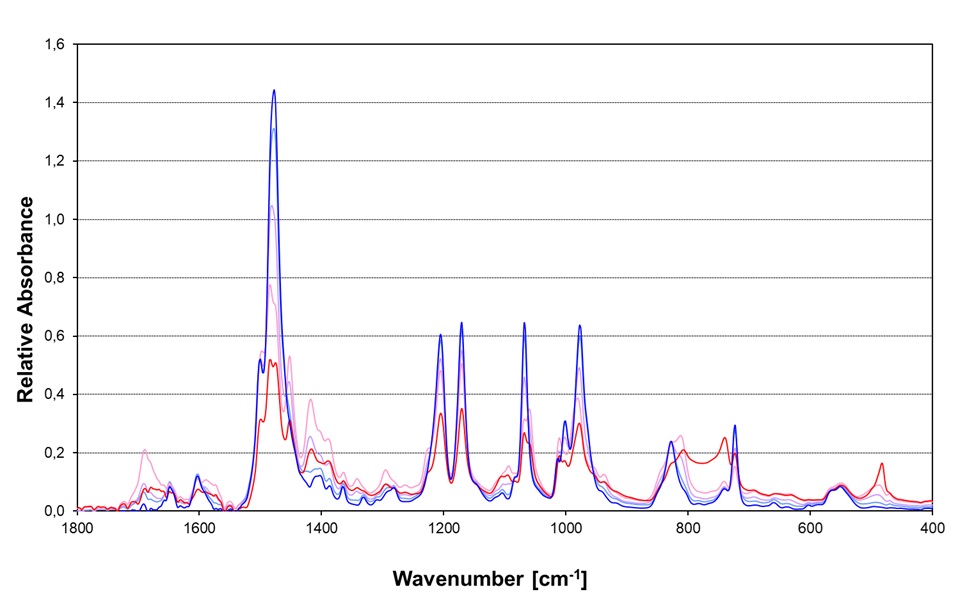
FTIR-Spektroskopie
Fourier-Transform-Infrarotspektroskopie zur molekularen Identifizierung von Beschichtungspolymeren und Bindemitteln. Die FTIR-Analyse liefert einen einzigartigen molekularen Fingerabdruck organischer Materialien und ermöglicht die präzise Identifizierung von Polymertypen, Additiven und Verunreinigungen. Diese zerstörungsfreie Technik erlaubt uns, zwischen Beschichtungssystemen zu unterscheiden und Proben mit Referenzmaterialien für forensische Zuordnungen zu vergleichen.
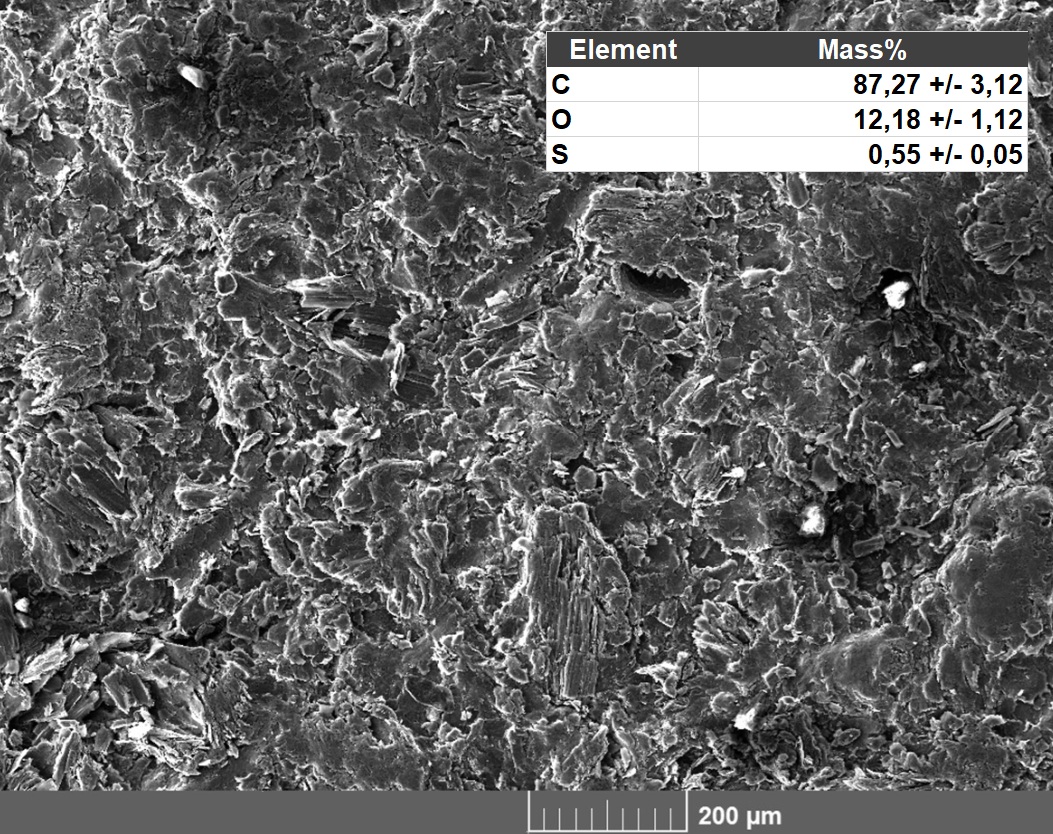
REM-EDX-Analyse
Rasterelektronenmikroskopie mit energiedispersiver Röntgenspektroskopie (REM-EDX) für hochauflösende Bildgebung und Elementzusammensetzungsanalyse. REM bietet Vergrößerungen bis zu 100.000x und zeigt ultrafeine Oberflächendetails und Partikelstrukturen. EDX identifiziert und quantifiziert gleichzeitig Elemente und ermöglicht die Erkennung von Pigmenten, Füllstoffen und metallischen Komponenten in Beschichtungsformulierungen.
Probenhandhabung & Vorbereitung
Probenentnahme
Eine ordnungsgemäße Probenentnahme ist entscheidend für zuverlässige Analysen. Beschichtungsproben sollten mit sauberen Werkzeugen entnommen werden, um Kontamination zu vermeiden. Für vergleichende Analysen müssen Referenzproben und fragliche Proben getrennt entnommen und eindeutig gekennzeichnet werden. Dokumentieren Sie den genauen Entnahmeort mit Fotos und schriftlichen Beschreibungen.
Probenvorbereitung
Proben können im Anlieferungszustand analysiert werden oder erfordern je nach Analysetechnik eine Vorbereitung. Für Querschnittsanalysen werden Proben in Harz eingebettet und poliert, um Schichtstrukturen freizulegen. FTIR-Analysen erfordern möglicherweise minimale Vorbereitung, während REM-EDX oft eine leitfähige Beschichtung für optimale Bildgebung benötigt. Wir übernehmen alle Vorbereitungsschritte in unserem Labor.
Informationsanforderungen
Für eine umfassende Analyse benötigen wir: den genauen Entnahmeort und Kontext, den Zweck der Analyse (Identifizierung, Vergleich, Qualitätskontrolle), bekannte Informationen über das Beschichtungssystem und spezifische zu beantwortende Fragen. Eine klare Dokumentation dessen, was gemessen werden muss und woher die Proben stammen, ermöglicht eine gezielte, effiziente Analyse.
Probeneinreichung
Proben sollten einzeln in sauberen Behältern verpackt werden, um Kreuzkontamination zu vermeiden. Kennzeichnen Sie jede Probe deutlich mit einer eindeutigen Kennung, Datum und Ort. Fügen Sie ein detailliertes Einreichungsformular bei, das den Fallhintergrund, die Analyseziele und besondere Handhabungsanforderungen beschreibt. Kontaktieren Sie uns für spezifische Verpackungs- und Versandanweisungen.
Warum unsere Dienstleistungen wählen
Unabhängige Expertise
Als unabhängiges Büro bieten wir unvoreingenommene, objektive Analysen frei von externen Einflüssen und gewährleisten höchste Integritätsstandards.
Kontinuierliche Weiterbildung
Durch kontinuierliche berufliche Weiterentwicklung und eigene Forschungsbeiträge bleiben wir an der Spitze der Analysemethodik und -technologie.
Interdisziplinärer Ansatz
Unser Team vereint Expertise aus Ingenieurwesen, Physik, Biomechanik und Forensik für umfassende, vielseitige Analysen.
Moderne Technologie
Wir nutzen modernste Messgeräte, 3D-Scanning, Drohnenfotografie und spezialisierte Software für präzise, reproduzierbare Ergebnisse.
EVU-Mitgliedschaft
Mitglied der Europäischen Vereinigung für Unfallforschung und Unfallanalyse mit Zugang zu einem umfassenden europäischen Netzwerk von über 1.200 Experten sowie umfangreichen Datenbanken und modernster Forschung.
Strategische Partnerschaften
Durch unser etabliertes Netzwerk von Kooperationen mit spezialisierten Instituten, akkreditierten Laboren und angeschlossenen Ingenieurbüros bieten wir umfassende, schnelle und erstklassige forensische Dienstleistungen.
Benötigen Sie Lackanalyse?
Kontaktieren Sie uns, um Ihre analytischen Anforderungen zu besprechen.
Kontakt aufnehmen